What's new

There is still hope

Jean

Kava Curious
A quarter of a century ago, for various reasons—including greed, a lack of understanding of the product, and arrogance—German companies poisoned kava consumers with unsuitable kava-based products. Those responsible were never held accountable, and to save face—and avoid paying damages—the decision was made to condemn the plant itself. Based on reports that turned out to be questionable, if not outright falsified, Germany introduced a ban on kava, which spread and remains in effect in many countries, particularly in Europe. Are things changing? Even if the unfortunate victims and their families will never see justice, even if the economic harm done to kava producers will never be compensated, will we at least see the plant finally allowed to circulate freely? This recent article in a major German newspaper suggests so: it recommends going to Fiji at least once in your life to drink kava.
 

Attachments

Forretressqt

Kava Enthusiast
Translation


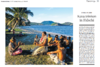
As the conch shell trumpet sounds, I walk under palm trees to the meeting house. I sit cross-legged on the wooden floor, my guide presents the village chief with a bundle of pepper plant roots and murmurs a request to stay the night here: in Navotua, a tiny village in the Yasawa island chain.

The chief nods, and the great drinking can begin. Again and again, the master of ceremonies wrings the crushed roots in a cotton cloth, the water in the large wooden bowl becoming muddy.

Then he dips half a coconut shell into it and hands it to me with a radiant smile. This is how it was for Pope John Paul II and the Queen when they visited Fiji.

The Sevusevu ceremony is the traditional greeting here, and the drink called Yaqona or Kava is a cultural treasure Once reserved for priests and dignitaries, today all Fijians drink the national beverage—in the office, in bars, at celebrations.

Every tourist learns the ritual at the hotel's folklore evening: clap once and shout "Bula," then empty the bowl in one go, clap three times, and say "Vinaka" in thanks. The Pope and the Queen supposedly didn't even flinch.

The drink tastes bitter and light. Then your tongue feels furry. After the second bowl, your body relaxes, your mind becomes drowsy, but not drunk. A breeze wafts in through the windows, and the men and women of the village, all dressed in festive attire, sing along to a guitar. Another bowl? Gladly.
 
Top